Tirunelveli Karupatti Paniyaram
Sweet fermented rice dumplings sweetened with palm jaggery.
About this dish
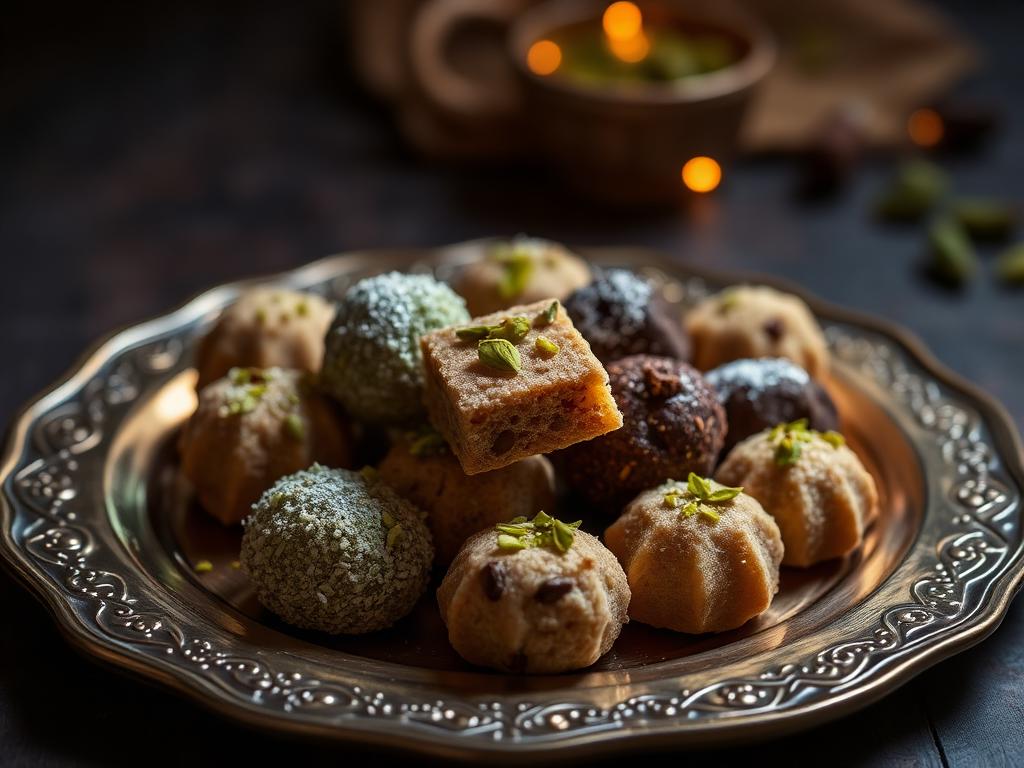
A hallmark of Tirunelveli's snacking culture, these paniyarams are distinguished by the use of 'Karupatti' (palm jaggery), which offers a deep, smoky sweetness compared to cane jaggery. Unlike the savory versions found elsewhere, these are celebratory treats often prepared for temple festivals or as a special evening snack. The fermentation of the batter gives them a characteristic spongy core and a slightly tangy-sweet profile.
Ingredients
Batter Base
- 1 cup raw rice (Pachai arisi)
- 1 cup parboiled rice (Idli arisi)
- 1/4 cup whole white urad dal
- 1/2 tsp fenugreek seeds
Sweetener and Flavoring
- 1.5 cups grated Karupatti (palm jaggery)
- 1/4 cup water for syrup
- 4-5 green cardamom pods, powdered
- 1/2 tsp dry ginger powder (sukku)
- 2 tbsp fresh grated coconut
Frying
- Cold-pressed coconut oil or Ghee for frying
Method
- 1
Soak the grains
Wash the raw rice, parboiled rice, urad dal, and fenugreek seeds together in three changes of water. Soak them in plenty of water for at least 4-5 hours.
- 2
Grind the batter
Drain the water and grind the mixture in a wet grinder or high-speed blender. Add very little water intermittently to achieve a thick, smooth, and fluffy consistency similar to idli batter.
- 3
Fermentation
Transfer the batter to a large bowl, leaving room for expansion. Cover and let it ferment in a warm place for 5-6 hours until it rises slightly; do not over-ferment as it will become too sour.
- 4
Prepare Karupatti syrup
Heat the grated palm jaggery with 1/4 cup water in a saucepan over medium heat. Once fully melted and bubbling, strain it through a fine sieve to remove impurities like sand or husks.
- 5
Mix the sweetener
Allow the syrup to cool slightly, then fold it into the fermented batter. The batter will thin out; it should be of a pouring consistency, like thick cream.
- 6
Add aromatics
Stir in the cardamom powder, dry ginger powder, and grated coconut. The dry ginger is crucial for digestion and adds a sharp contrast to the deep palm sugar.
- 7
Heat the Paniyaram Pan
Place a cast-iron Paniyaram (Appakaral) pan on medium heat and fill each cavity about 1/3 full with coconut oil or ghee.
- 8
Fry the dumplings
Once the oil is hot, pour the batter into the cavities until 3/4 full. Lower the heat to medium-low to ensure the center cooks without the outside burning due to the sugar content.
- 9
Flip and finish
When the edges become crisp and dark brown (about 3 mins), use a wooden skewer to gently flip each paniyaram. Cook for another 2 minutes until they are spherical and cooked through.
Notes & variations
- If you cannot find Karupatti, dark coconut sugar is the closest substitute.
- Ensure the batter is thick before adding syrup; if it's too thin, the paniyarams will be flat.
- Leftover paniyarams stay soft for 24 hours at room temperature.
- A well-seasoned cast-iron pan is essential to prevent sticking.
Serve with
Serve warm as is, or with a splash of fresh coconut milk.
Cook's note
Add a pinch of baking soda only if the batter hasn't fermented well, but authentic flavor comes from the natural rise.