Radhaballabhi
Lentil-stuffed fried bread often served at festive breakfasts.
About this dish
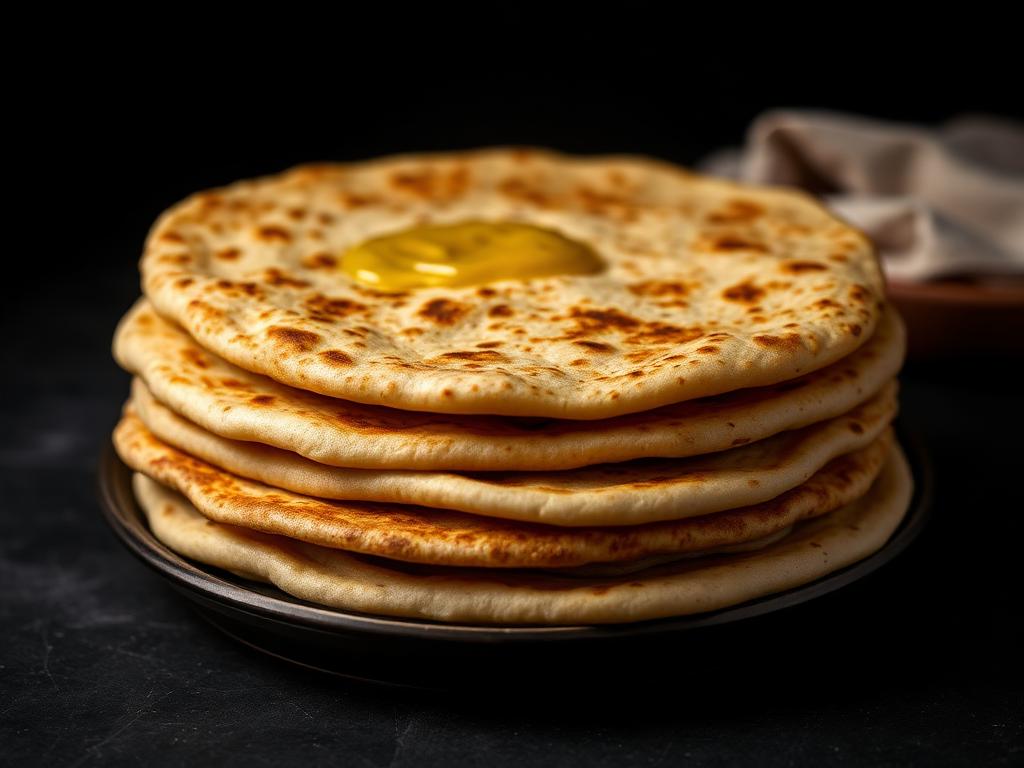
Radhaballabhi is a celebratory, deep-fried flatbread stuffed with a spiced Urad Dal paste, distinguished from Luchi by its savory filling and thicker texture. Originating from the temple kitchens of Bengal, particularly associated with Lord Krishna (Radhavallav), it remains a staple for wedding breakfasts and Durga Puja festivities. Its unique character comes from the use of fennel (mouri) and ginger, providing a refreshing contrast to the richness of the dough.
Ingredients
For the Lentil Stuffing
- 100g (1/2 cup) Urad Dal (split black gram), soaked for 6 hours
- 1 tbsp Ginger paste
- 2 Green chilies, finely chopped
- 1 tsp Fennel seeds (Mouri), toasted and ground
- 1/2 tsp Hing (Asafoetida)
- 1/2 tsp Salt
- 1/2 tsp Sugar
- 1 tbsp Mustard oil
For the Dough
- 250g (2 cups) Maida (All-purpose flour)
- 2 tbsp Vegetable oil (moyen)
- 1/2 tsp Salt
- 1/2 tsp Sugar
- 120ml (1/2 cup) Lukewarm water
Method
- 1
Prepare the Dal Paste
Drain the soaked Urad dal completely and grind it into a very smooth, thick paste with the ginger and green chilies. Use minimal water (1-2 tablespoons at most) to ensure the paste isn't runny, as a wet filling will burst through the dough later. The paste should be tacky and hold its shape when pinched.
- 2
Cook the Stuffing
Heat 1 tbsp mustard oil in a non-stick pan over medium-low heat until it smokes slightly. Add the hing and the dal paste, stirring constantly for 6-8 minutes. The paste will transform from a sticky mass into a dry, crumbly mixture that pulls away from the sides. Stir in the ground fennel, salt, and sugar in the last minute.
- 3
Cool and Portion
Transfer the cooked dal mixture to a plate and spread it out to cool completely. Once cool, divide the mixture into 10-12 small, smooth balls, roughly the size of a marble. This pre-portioning ensures even distribution across all the Radhaballabhis.
- 4
Knead the Dough
In a large bowl, mix the maida, salt, sugar, and 2 tbsp oil. Rub the oil into the flour with your fingertips until it resembles coarse breadcrumbs. Gradually add lukewarm water and knead for 8-10 minutes until you achieve a soft, pliable, and non-sticky dough.
- 5
Rest the Dough
Cover the dough with a damp kitchen towel and let it rest for at least 30 minutes. This relaxes the gluten, making it easier to roll without the dough springing back. After resting, divide the dough into 10-12 equal balls, slightly larger than the dal balls.
- 6
Stuff the Dough
Take a dough ball, flatten it into a small disc with your fingers, and place a dal ball in the center. Pleat the edges of the dough over the filling to seal it tightly, then roll it back into a smooth sphere. Ensure there are no air bubbles trapped inside, which could cause the bread to pop while frying.
- 7
Roll the Flatbreads
Grease your rolling pin and work surface with a drop of oil (do not use dry flour). Gently roll the stuffed balls into 5-inch circles, applying even, light pressure. If you press too hard, the filling will break through the skin, leading to oil-soaked bread.
- 8
Heat the Frying Oil
Fill a deep kadai or wok with enough oil to submerge the breads. Heat over medium-high until a tiny piece of dough dropped in rises instantly to the surface with a sizzle. The oil must be hot (approx 180°C) to ensure the Radhaballabhi puffs up immediately.
- 9
Fry Until Puffed
Gently slide one disc into the hot oil. Using a slotted spoon, lightly press down on the center to help it puff up like a balloon. Once fully inflated, flip it over and cook for another 30-40 seconds. Radhaballabhi should remain pale or light golden, not dark brown like a kachori.
Notes & variations
- Ensure the stuffing is completely dry before filling; any moisture will cause the bread to tear.
- Always use lukewarm water for the dough to keep the texture soft after cooling.
- Store uncooked stuffed balls under a damp cloth to prevent them from drying out.
- The ground fennel must be toasted slightly before grinding to release its volatile oils.
Serve with
Traditionally served with Niramish Cholar Dal (sweetened Bengal gram) or Alur Dom.
Cook's note
Adding a teaspoon of the raw dal paste to the dough itself gives the bread a deeper flavor and aroma.